Cyberpunk 2077 and Death Stranding: Two Sides of Humanity's Future Coin
Hey everyone, it's your friendly neighborhood gamer here, back at it again after sinking what feels like a lifetime into some of the most mind-bending games out there. As we cruise through 2026, I've been doing some serious thinking—you know, the kind that hits you during those quiet moments between deliveries in Death Stranding or while staring at the neon-drenched skyline of Night City. And I've come to a realization that just won't let me go: Cyberpunk 2077 and Death Stranding (both 1 and 2, because the sequel just dropped and it's wild) are literally two sides of the same coin. I know, I know, sounds like I've been spending too much time in the chiral network or hooked up to a Braindance, but hear me out!
This isn't just some hot take I cooked up for clicks. The more I replay these masterpieces—and let's be real, they're equal parts brilliant and bizarre—the more convinced I am. That coin I'm talking about? It's the future of human society itself. Both games are like prophetic, hyper-detailed paintings of where we might be headed, and honestly? It's equal parts terrifying and fascinating.
We're living in a weird time, right? On one hand, AI is exploding everywhere, promising this shiny techno-utopia that's just around the corner (though nobody can agree on how far around that corner it is). The vibes are a mix of hope and pure, unadulterated anxiety. On the other hand, we've got the climate crisis hanging over our heads like Damocles' sword, with freak weather events popping up like unwanted notifications. These two massive forces—runaway tech and ecological collapse—are the fertile ground where dystopian stories grow, and our two games have planted their flags firmly in each camp.
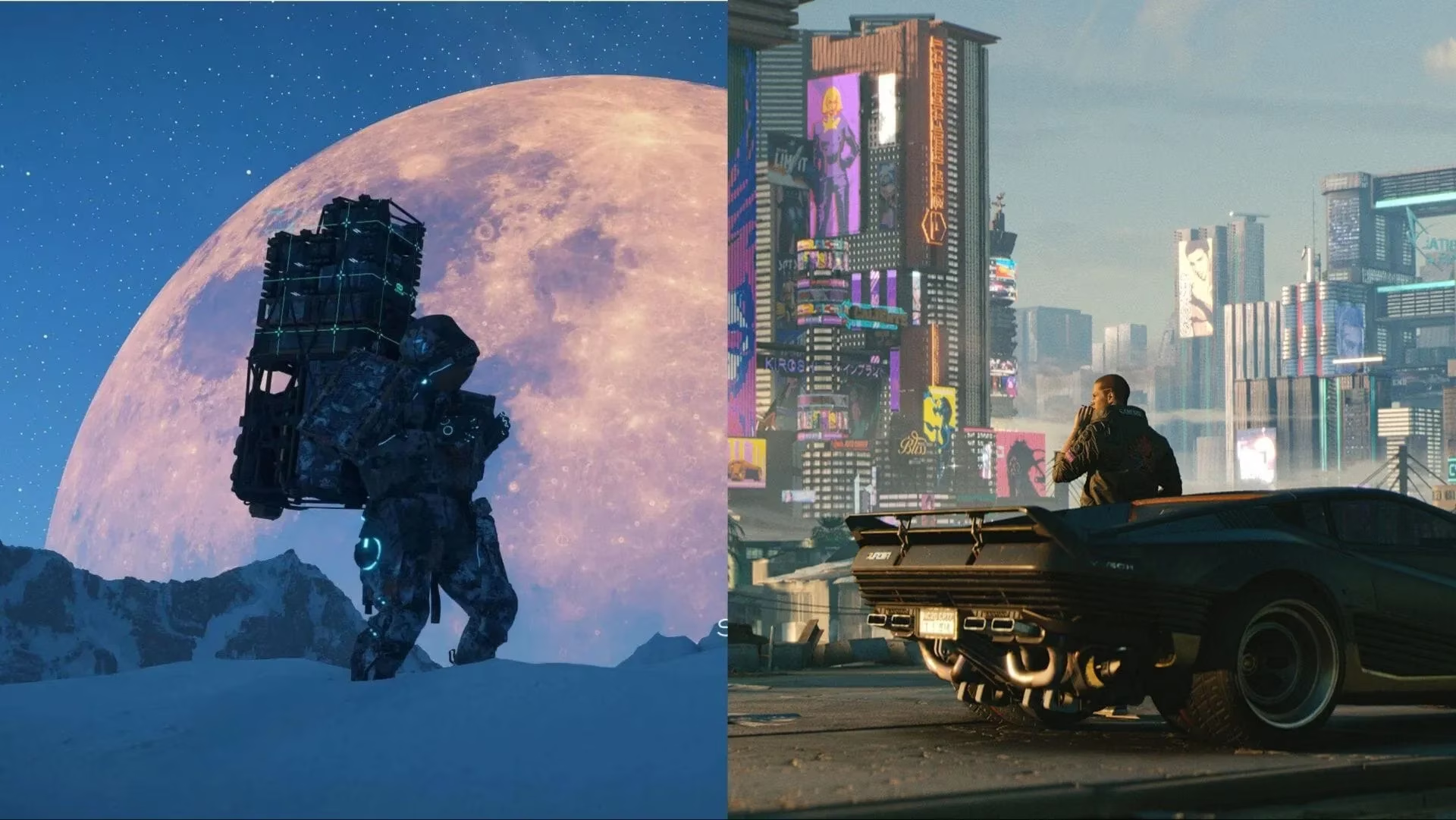
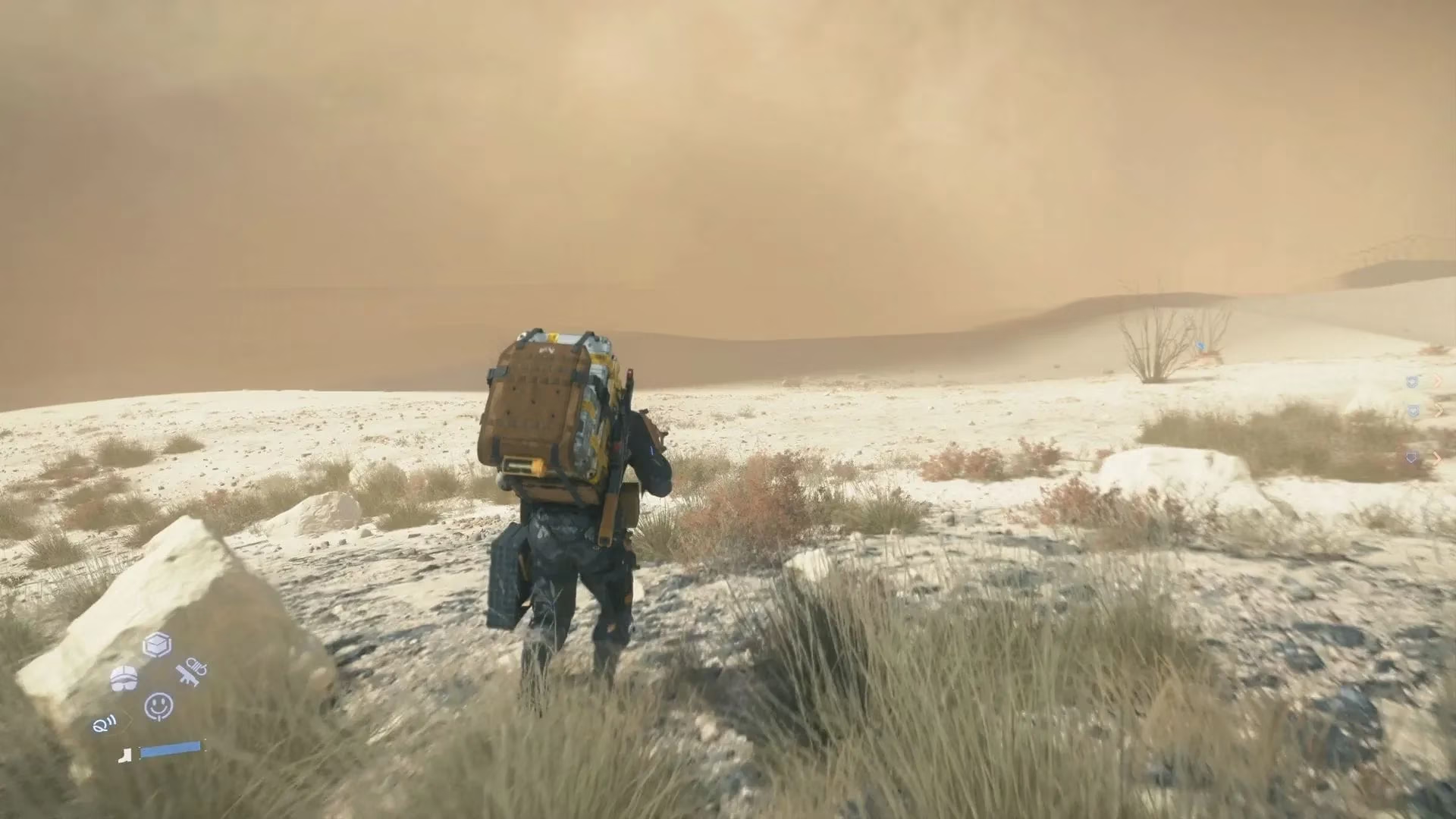
Death Stranding is all about that ecological nightmare. The world itself has turned against humanity. We've got:
-
Timefall: Rain that ages everything it touches in seconds. Try delivering a pizza in that!
-
Beached Things (BTs): Invisible, soul-sucking monsters that cause city-leveling "voidouts."
-
The Chiral Network: A internet built on ghostly connections, because the real world is too hostile.
The land isn't just empty; it's actively hostile. Your goal isn't to conquer it, but to reconnect a shattered America, one fragile delivery at a time. It's a game about loneliness, connection, and the literal weight of our actions on the environment. Kojima wasn't just making a walking simulator; he was crafting a haunting metaphor for our fractured, climate-anxious world.
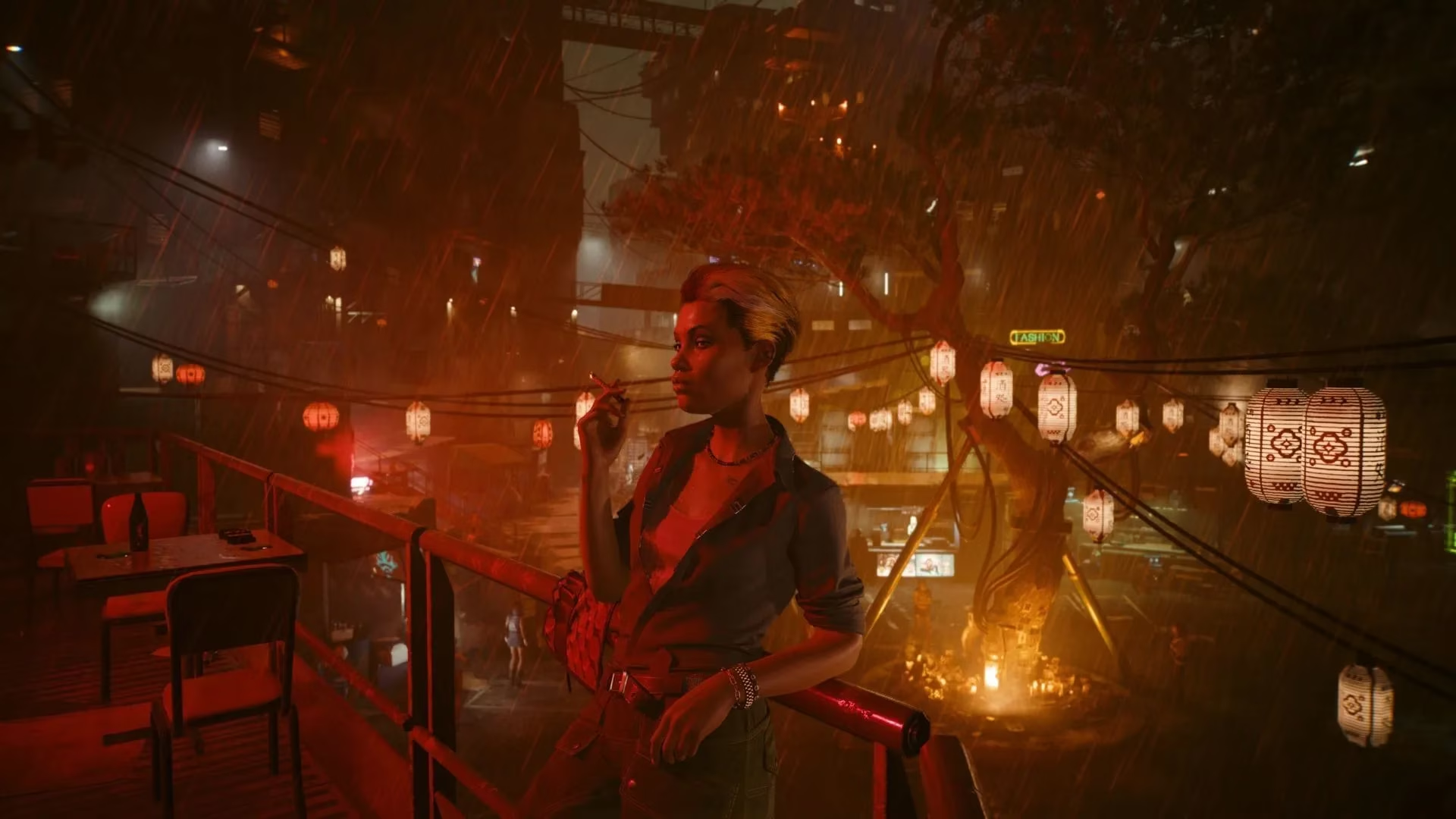
Cyberpunk 2077, meanwhile, dives headfirst into the tech-abyss. Night City is a monument to corporate greed and technological excess where:
-
Corps Rule Everything: Your body, your mind, your soul—it's all a commodity.
-
The Line Blurs: With braindances and full-body cyberware, what's real and what's fiction? Good luck figuring it out.
-
Rogue AIs Lurk: In the old net, digital ghosts and rogue intelligences pose an existential threat.
It's a future where we've solved some problems with chrome and code, but created even bigger, messier ones. The struggle isn't against nature, but against the very systems we built to transcend it. It's a warning wrapped in a neon-soaked, adrenaline-fueled package.
Now, dystopian futures in games are a dime a dozen. But what sets these two apart is how deeply woven their core themes are. They're not just window dressing or cool aesthetics slapped onto a standard shooter or RPG. The themes are the game.
-
In Death Stranding, the isolation, the struggle against the terrain, the emphasis on forging connections—it's all baked into every gameplay mechanic. Delivering a package isn't a mundane task; it's a defiant act of hope in a hopeless world.
-
In Cyberpunk 2077, the themes of identity, loss of humanity, and corporate control seep into every side quest, every character's backstory, and the very design of the city. Even upgrading your cyberware comes with a psychological cost.
So, if you're buying my argument that these are two sides of the same coin, here's my challenge to you: Play them with a different lens. Don't just rush through the main story.
For Cyberpunk 2077:
-
Stop and listen. Chat with the NPCs on the street corners. Their throwaway lines are often the most revealing.
-
Do the side gigs. The real soul of Night City isn't in the Arasaka Tower raid; it's in helping a grieving father or uncovering a corrupt media plot. These stories show how different people survive (or don't) in this hyper-capitalist hellscape.
-
Read the shards! I'm serious. The world-building in those text logs is insane. They paint a picture of how society got this bad.
For Death Stranding (& DS2):
-
Read the interviews and emails. This is where Kojima unpacks the pseudo-science and philosophy behind the Stranding. It's not just lore; it's the thesis statement.
-
Think about the journey. Why are you making this delivery? It's not just for likes (okay, it's partly for likes). It's about rebuilding human connection, piece by piece. What does that say about our world today, where we're more connected digitally than ever but feel more isolated?
-
Ponder the metaphors. Timefall, BTs, the Beach—they're all screaming something about time, death, and consequences. Let it simmer in your brain.
When you look at both games this way, something amazing happens. They stop feeling like far-off fantasies and start feeling like logical, if extreme, extensions of our current world. The ecological anxiety of Death Stranding? The techno-dependency and corporate control of Cyberpunk? We're already seeing the seeds being planted today, in 2026.
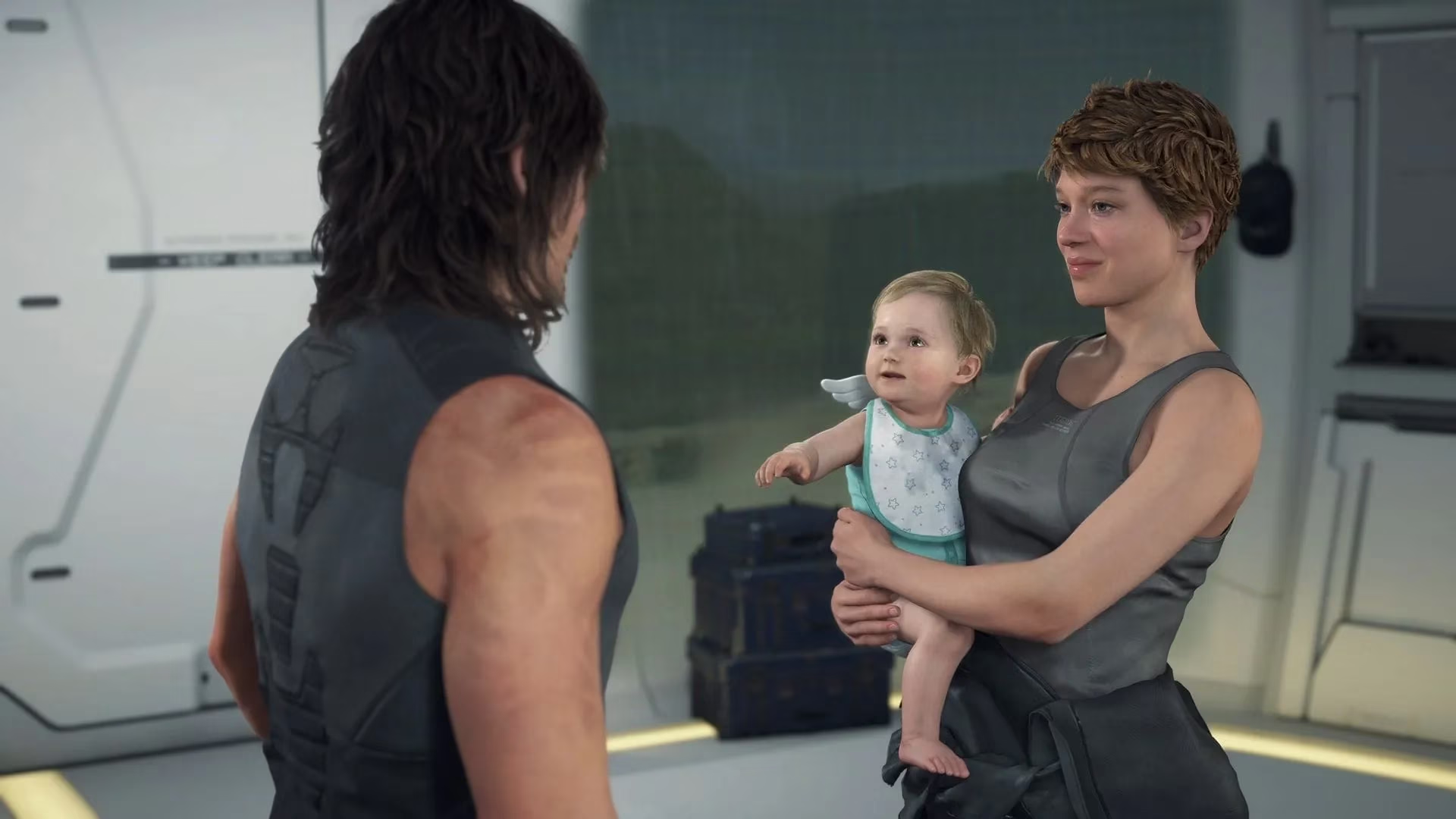
At the end of the day, these aren't just games about completing missions and beating the final boss. They're cultural artifacts, products of a specific moment in time that hold up a dark, distorted mirror to our own society. You don't have to believe Night City or the post-Stranding UCA will literally come to pass. But by exploring them exhaustively—marveling at their immersive beauty, sitting with their unsettling questions—you engage in a profound "what-if."
So, what's the takeaway from our little dive? Maybe it's that the future isn't a single path. It's a fork, and Cyberpunk 2077 and Death Stranding are blazing, beautiful, and terrifying trails down each potential road. One asks what happens if we lose ourselves to our machines. The other asks what happens if the world we've damaged finally pushes back. Playing them back-to-back in 2026 isn't just a gaming marathon; it's a masterclass in speculative fiction and a stark reminder of the choices we're making right now. And that, my friends, is the real mind-bender.
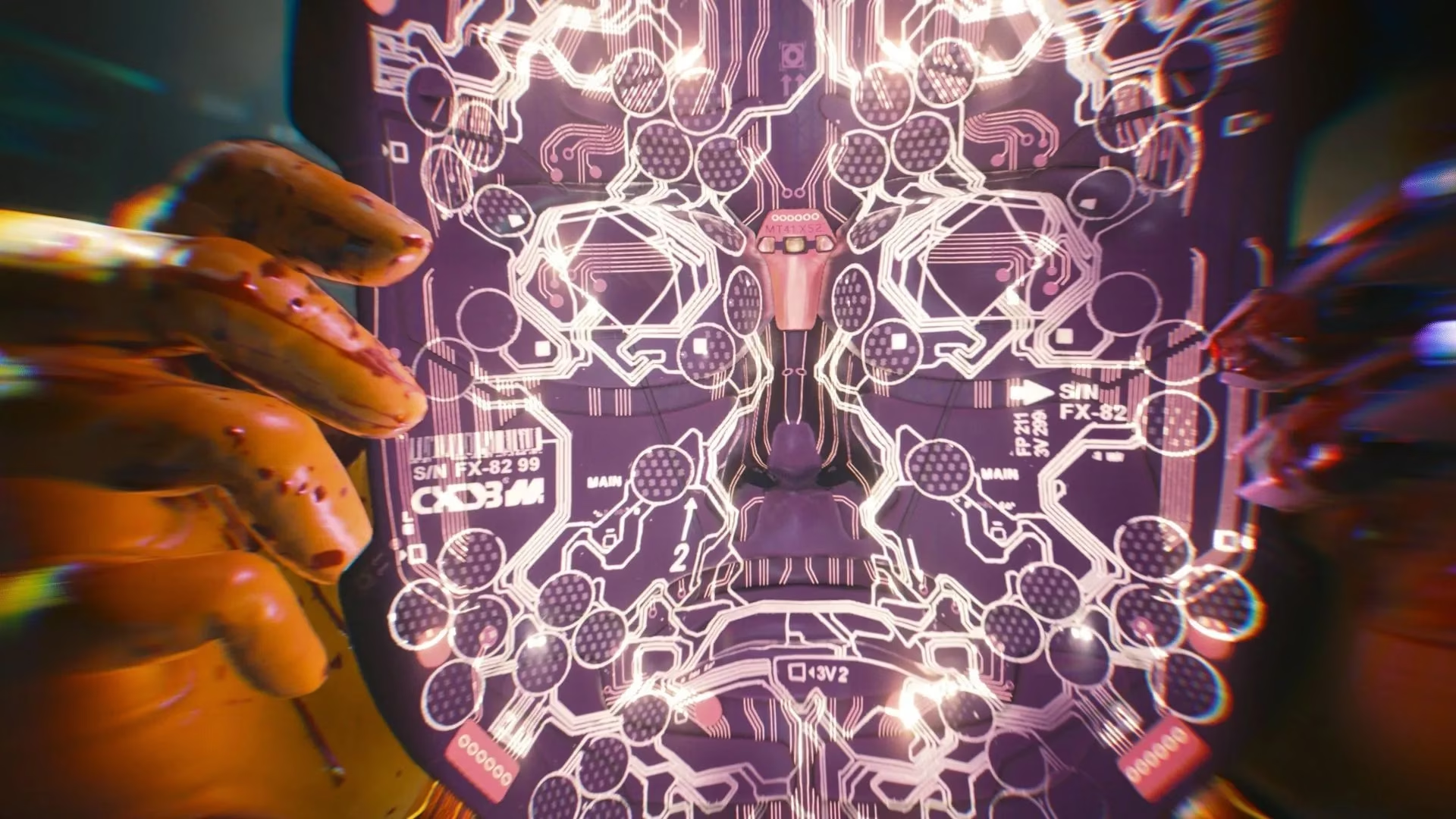
Anyway, that's just my two eddies. What do you all think? Have you felt this connection between these two worlds? Let's chat in the comments! And remember, keep on keeping on, and never stop fighting the good fight in whatever city—or wilderness—you find yourself in. Peace out! ✌️
Discussion