Cyberpunk 2077 vs. Phantom Liberty: A Drastic Shift in Narrative Direction
When Cyberpunk 2077 first hit the streets back in 2020, it was a hot mess — but over the years, CD Projekt Red has been busting their chops to turn it into the neon-drenched masterpiece everyone dreamed of. By 2026, the game is practically a whole new beast, especially after the massive 2.0 overhaul. And then came Phantom Liberty, the spy-thriller expansion that adds a fresh chunk of story to Night City. At first glance, it looks like a match made in heaven for anyone craving more cybernetic mayhem. Yet, after sinking your teeth into both, you can’t help but notice they feel like chalk and cheese. The base game and Phantom Liberty may share the same dystopian playground, but they approach the narrative from angles so different it almost gives you whiplash.
The original Cyberpunk 2077 campaign is, at its core, a story about being in the wrong place at the wrong time. Players create their version of V, hit the grimy streets of Night City, and start grinding gigs to make a name for themselves. Pretty soon, you’re roped into a heist by the sleazy fixer Dex DeShawn to swipe a biochip from Arasaka. Everything goes south faster than a Scav on a bad trip — the Arasaka heir kicks the bucket, V gets a bullet to the brain from Dex, and ends up rotting in a landfill. But thanks to the Relic chip’s nanites, V is brought back from the brink, only to find Johnny Silverhand’s digital ghost squatting in their skull. From that point on, the whole game is a frantic race against the clock, as V wrestles with their own impending erasure while getting tangled up in gang wars, corporate conspiracies, and existential dread. The vibe is gritty, personal, and rooted in the "little guy just trying to survive" trope. It’s a wild ride that keeps you on your toes, never letting you forget that V is basically a walking corpse with a rockerboy hitchhiker.
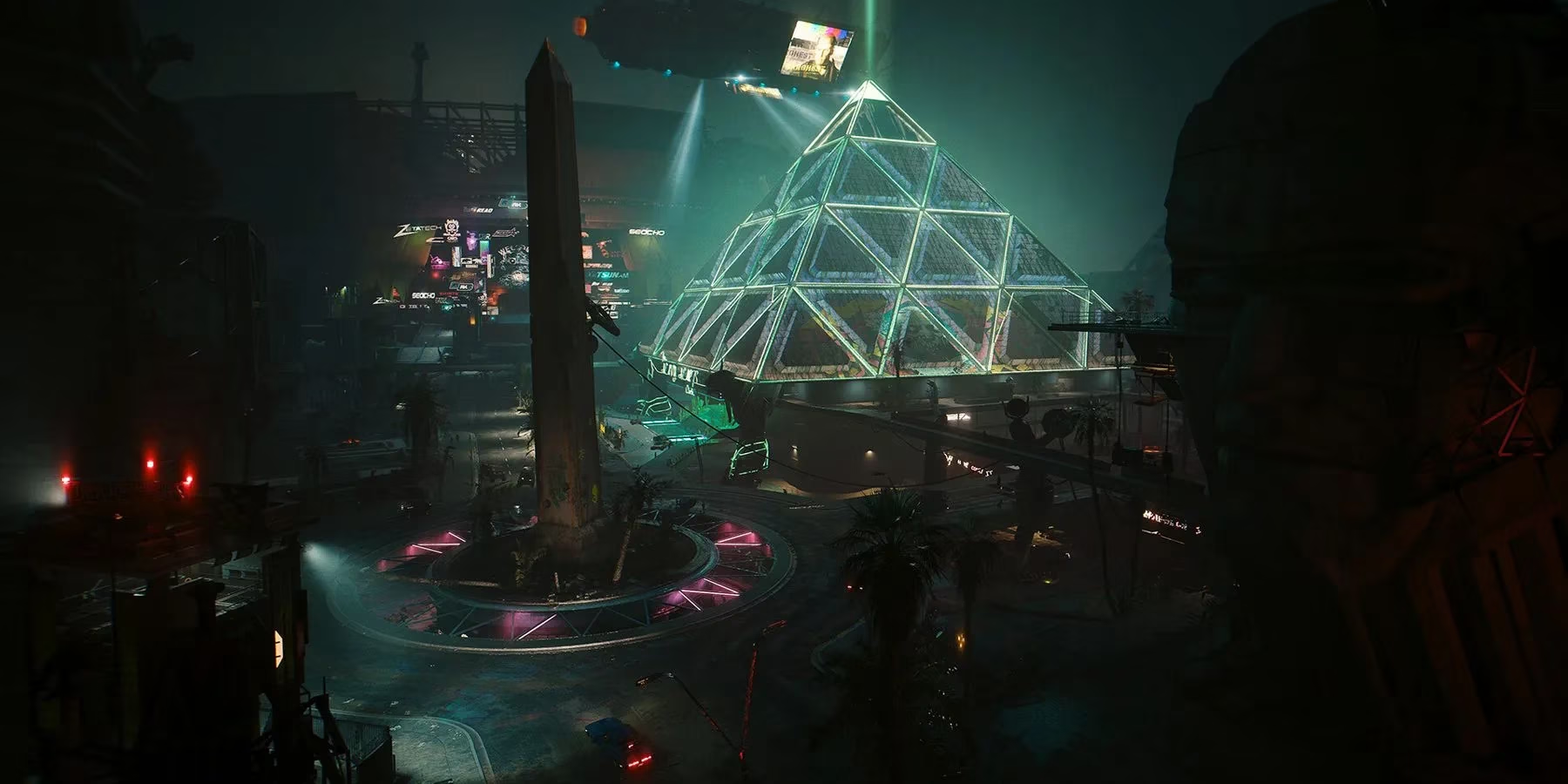
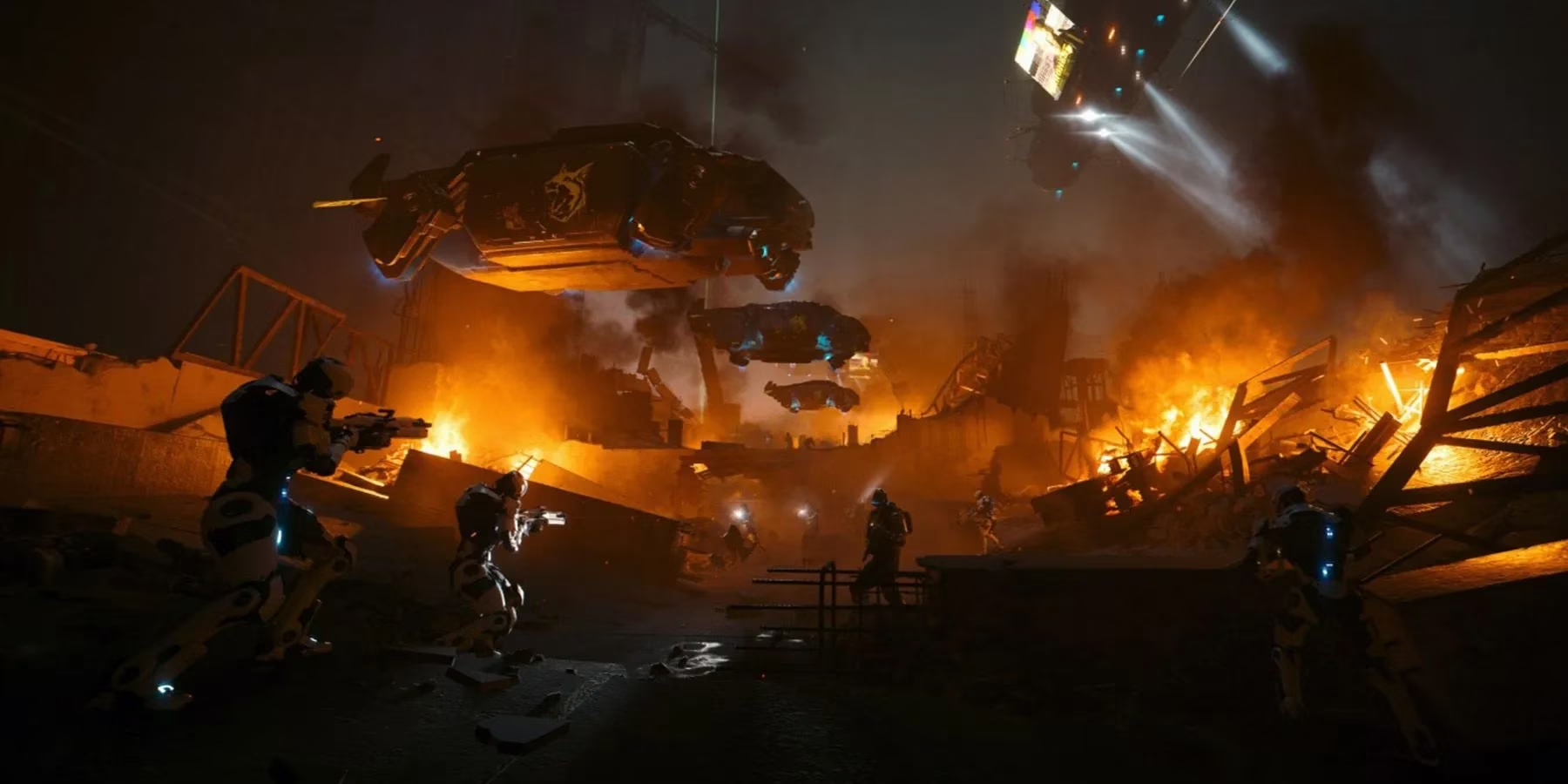
Then Phantom Liberty swaggers in and flips the script entirely. Instead of being a street-level merc clawing their way through the muck, V suddenly becomes the only person capable of rescuing the President of the New United States. The inciting incident is a cryptic call from a netrunner named Songbird, who guides V into Dogtown — a walled-off, war-torn district run by a ruthless warlord. The President’s plane is going down, and it’s up to V to play hero. This is a narrative starkly different from the base game’s focus on a botched heist and a ticking death sentence. Now, V is basically a "chosen one," thrust into a high-stakes political thriller with international implications. For players who’ve spent dozens of hours living the life of a doomed merc just trying to stay afloat, this pivot can feel like a bolt from the blue. It’s not a bad story — in fact, Phantom Liberty delivers some of the best writing in the franchise — but the tonal shift is about as subtle as a sledgehammer.
The contrast goes deeper than just plot. Cyberpunk 2077’s base game thrives on a sense of vulnerability and desperation. Every choice feels weighted by the knowledge that Johnny is slowly taking over, and every relationship is colored by that looming tragedy. The open world is a character in itself, a sprawling, rain-slicked organism where V is just another cog in the machine. Phantom Liberty, by comparison, funnels you into a more linear, action-packed narrative where V is suddenly the lynchpin of global events. The Dogtown area itself looks like Night City’s twisted cousin — more militarized, more oppressive — and the quests lean heavily into espionage and set-piece moments that feel ripped from a high-budget blockbuster. While the base game lets you fade into the background and tackle life at your own pace, the expansion keeps shoving you into the spotlight with a "save the world" urgency that doesn’t entirely mesh with V’s well-established nobody-to-nightmare arc.
Some longtime players might scratch their heads at this about-face. After years of building up V as a survivor who stumbles into extraordinary circumstances, being suddenly branded as the one-and-only savior can come across as a bit jarring. It’s like showing up to a gig expecting a bar brawl and getting drafted into a spy agency. The dissonance doesn’t ruin the experience — Phantom Liberty is a banger in its own right, packing plenty of emotional gut-punches and breathtaking sequences — but it does create a curious split personality for the game as a whole. Whether you view it as refreshing spice or a strange detour largely depends on what made you fall in love with Night City in the first place.
Nevertheless, CD Projekt Red deserves props for not playing it safe. By 2026, Cyberpunk 2077 has evolved into a sprawling, two-flavor experience that somehow works despite the narrative whiplash. The base game gives you the slow-burn, character-driven dread, while Phantom Liberty serves up a concentrated dose of high-octane heroics. It’s a bit like ordering a synth-burger and getting a side of gourmet sushi — odd, but surprisingly satisfying once you adjust your palate. Whether you’re a chrome-junkie returning after a hiatus or a fresh-faced merc just plugging in, just know that you’re in for two wildly different rides that, for better or worse, keep things interesting as heck.
Discussion