Kinich Mistakes I Avoid Now in Genshin Impact
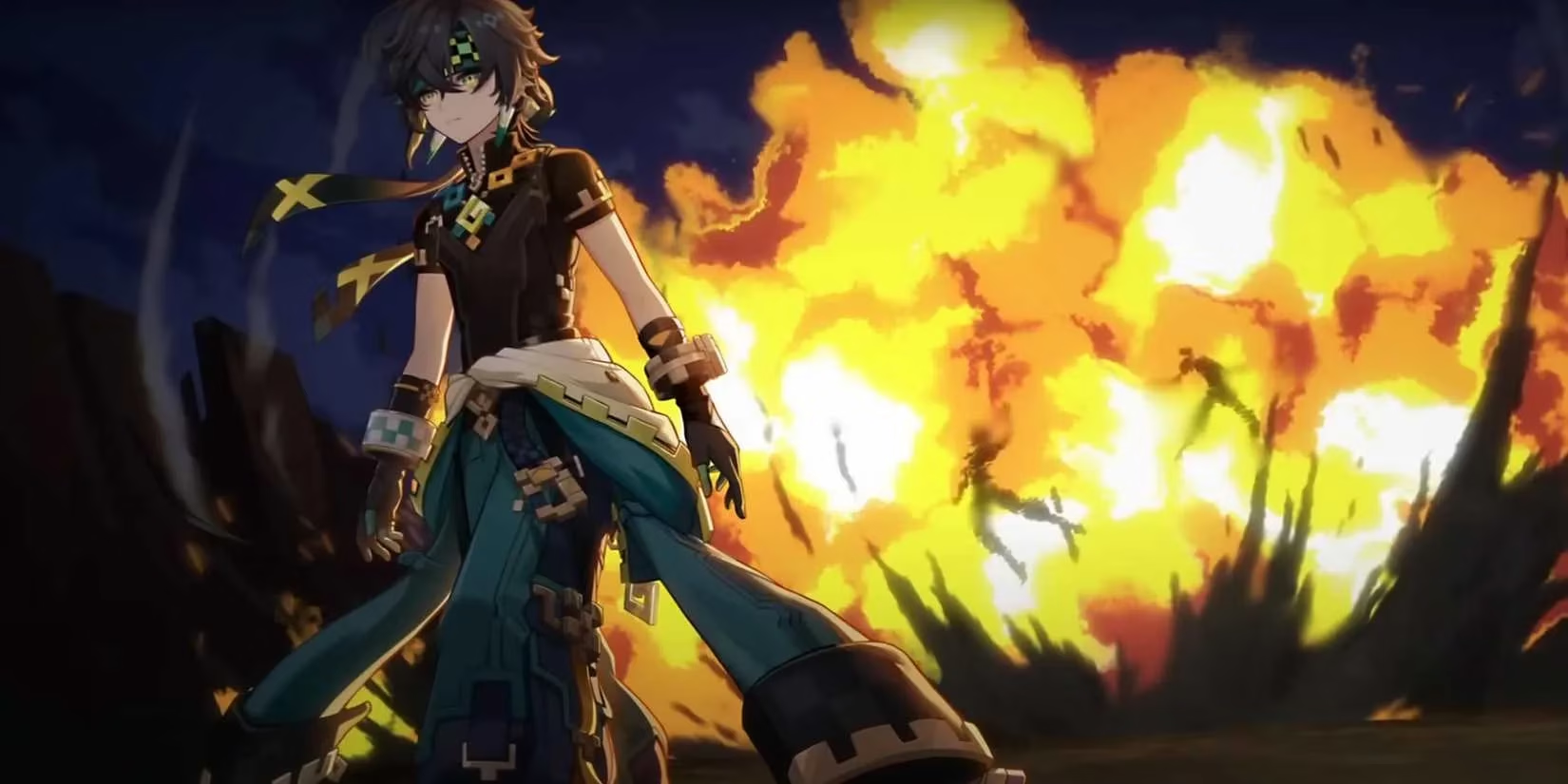
I still remember my first Kinich run in Genshin Impact. I was thrilled to swing a claymore, grapple across Natlan, and watch big Dendro numbers fly. Then I took him into the Abyss and realized I was playing him completely wrong. In 2026, after many Natlan commissions, team experiments, and artifact reruns, I can say the biggest problem was never Kinich’s kit. It was my habits. Kinich is a Dendro damage dealer who lives and dies by Nightsoul mechanics, Blind Spots, and the right reaction. If you are picking him up now, these are the mistakes I made and how I fixed them.
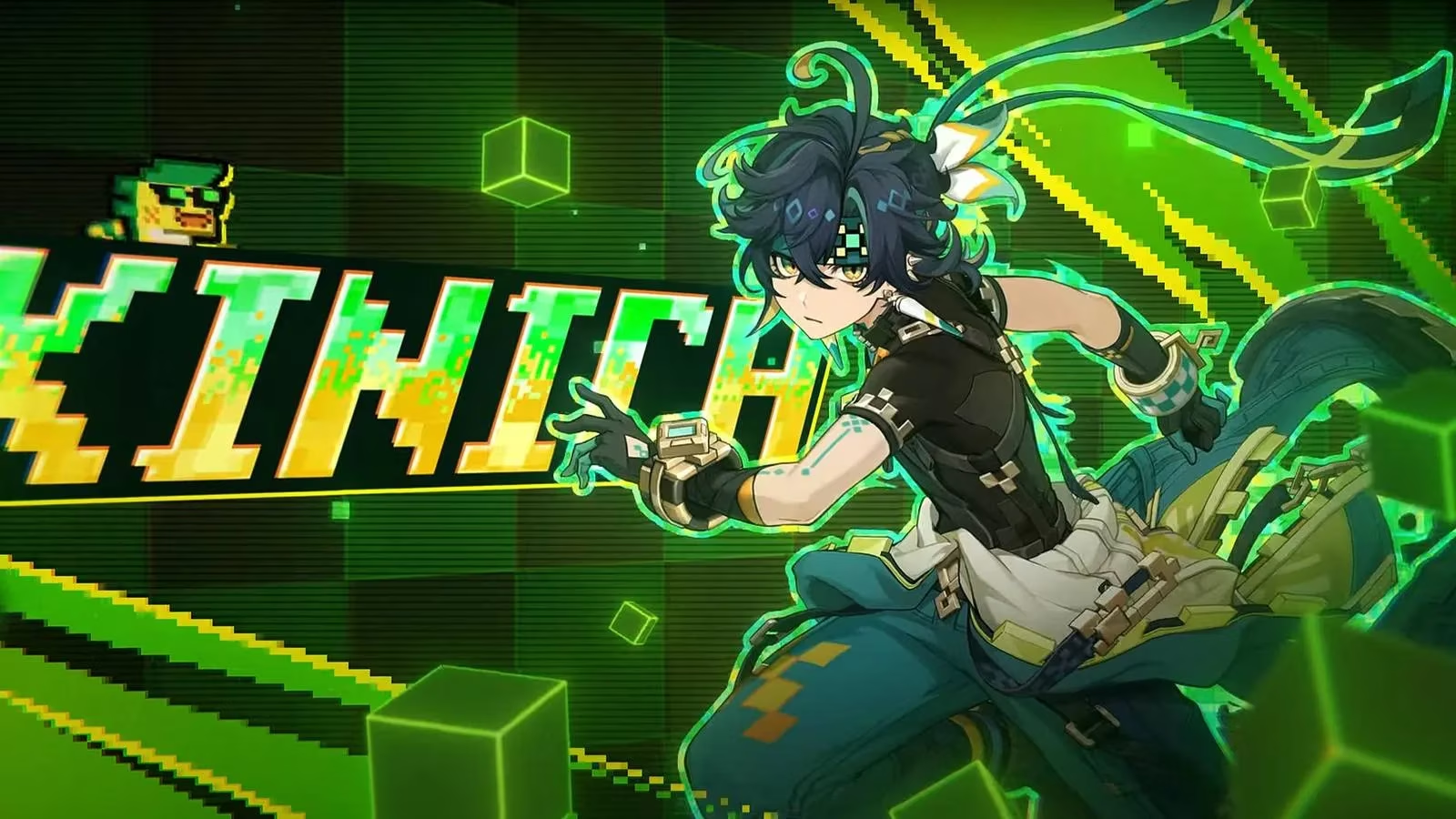
I treated Nightsoul’s Blessing like a normal burst window
My first mistake was waiting for a full bar before doing anything. Kinich does not start his Nightsoul’s Blessing state with a stocked energy bar like some other Natlan characters. He begins at zero Nightsoul Points and builds them over time. That changes everything about how he feels in combat.
I learned to watch the small gains instead of the big bar. Kinich gets two Nightsoul Points every second, three for each Loop Shot, and four when he enters the Blind Spot. Those small numbers add up fast. The goal is not to sit back and wait. The goal is to actively fill the bar so I can fire the Scalespiker Cannon, which is where his serious damage comes from.
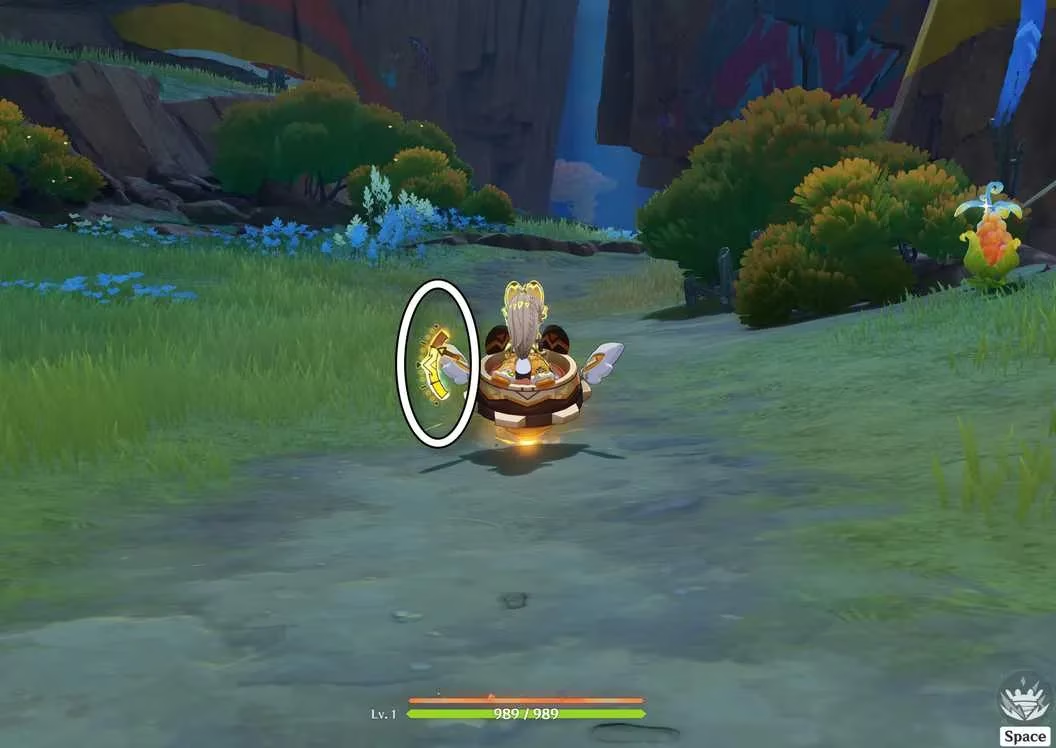
I ignored the Blind Spot
This was my most embarrassing mistake. The Blind Spot appears when Kinich connects with an enemy, and it shows up as a green fan-shaped area around them. I used to stay at a comfortable distance and keep firing, thinking I was safe. In reality, I was starving my own rotation.
Moving Kinich inside that area gives four Nightsoul Points, even if the shape is not clearly visible. A new Blind Spot appears once I enter, so I have to keep adjusting. Now I treat the Blind Spot like a mini-game inside the fight. If I stop moving, I stop gaining points. If I stop gaining points, the Cannon comes late. That delay costs more DPS than most artifact upgrades I have chased.
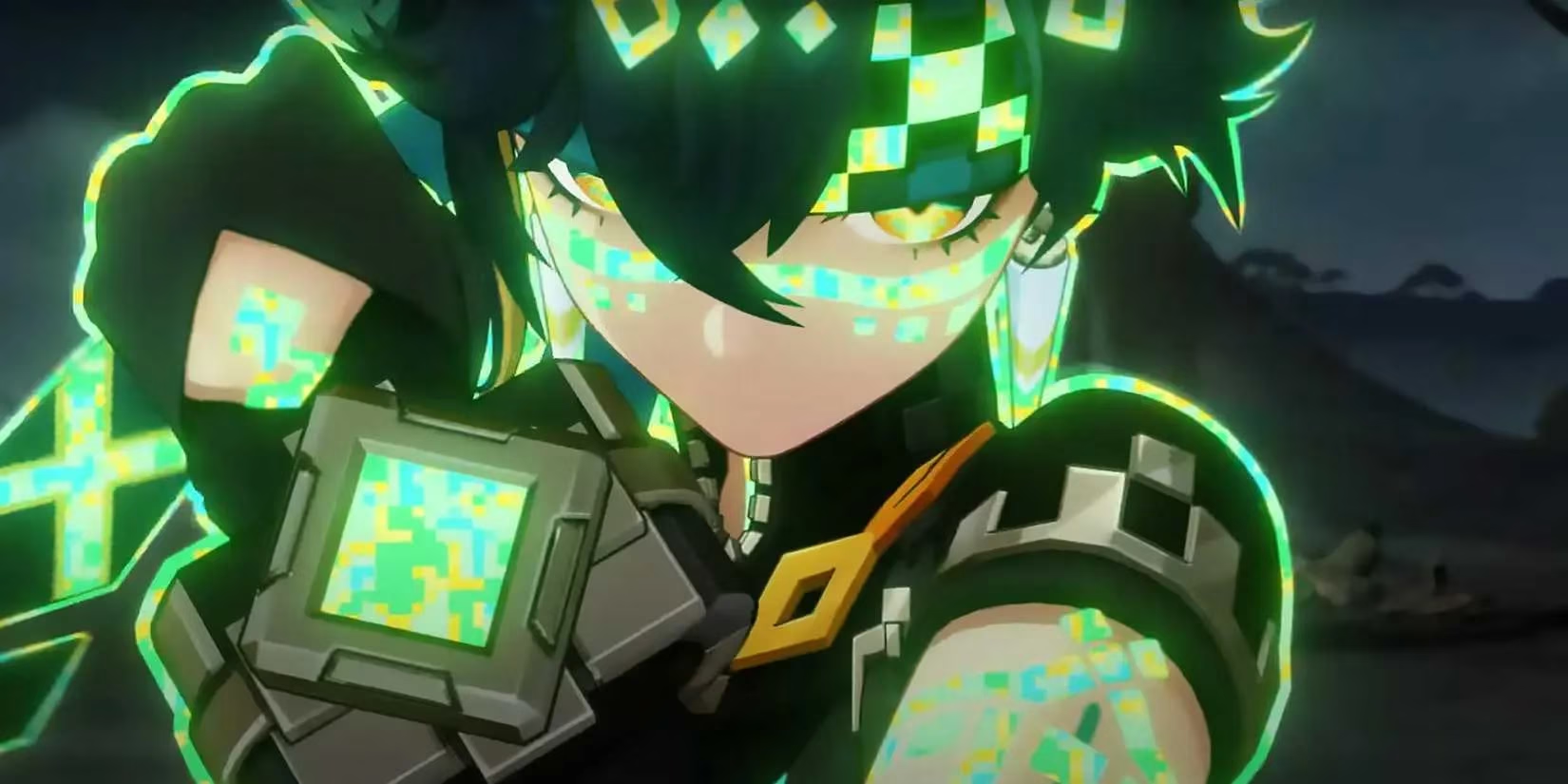
I spammed Loop Shot and forgot the Cannon
Loop Shot is triggered with the Normal Attack button, so it is easy to fall into a normal-attack rhythm. I did exactly that. I kept throwing Loop Shots and ignored Kinich’s Elemental Skill button. That was a huge waste.
Loop Shot may use the Normal Attack input, but its damage counts as Elemental Skill DMG. More importantly, it is not the main event. Scalespiker Cannon is the primary source of Kinich’s large damage. My clean rotation now looks like this:
-
Use Kinich’s Elemental Skill.
-
Use Normal Attacks and move into the Blind Spot until Nightsoul Points are filled.
-
Press the Elemental Skill again to fire Scalespiker Cannon.
I also stopped using his claymore attacks. They look cool, but they are practically useless for his kit. If I am playing Kinich, I am playing around Skill and Cannon, not raw claymore swings.
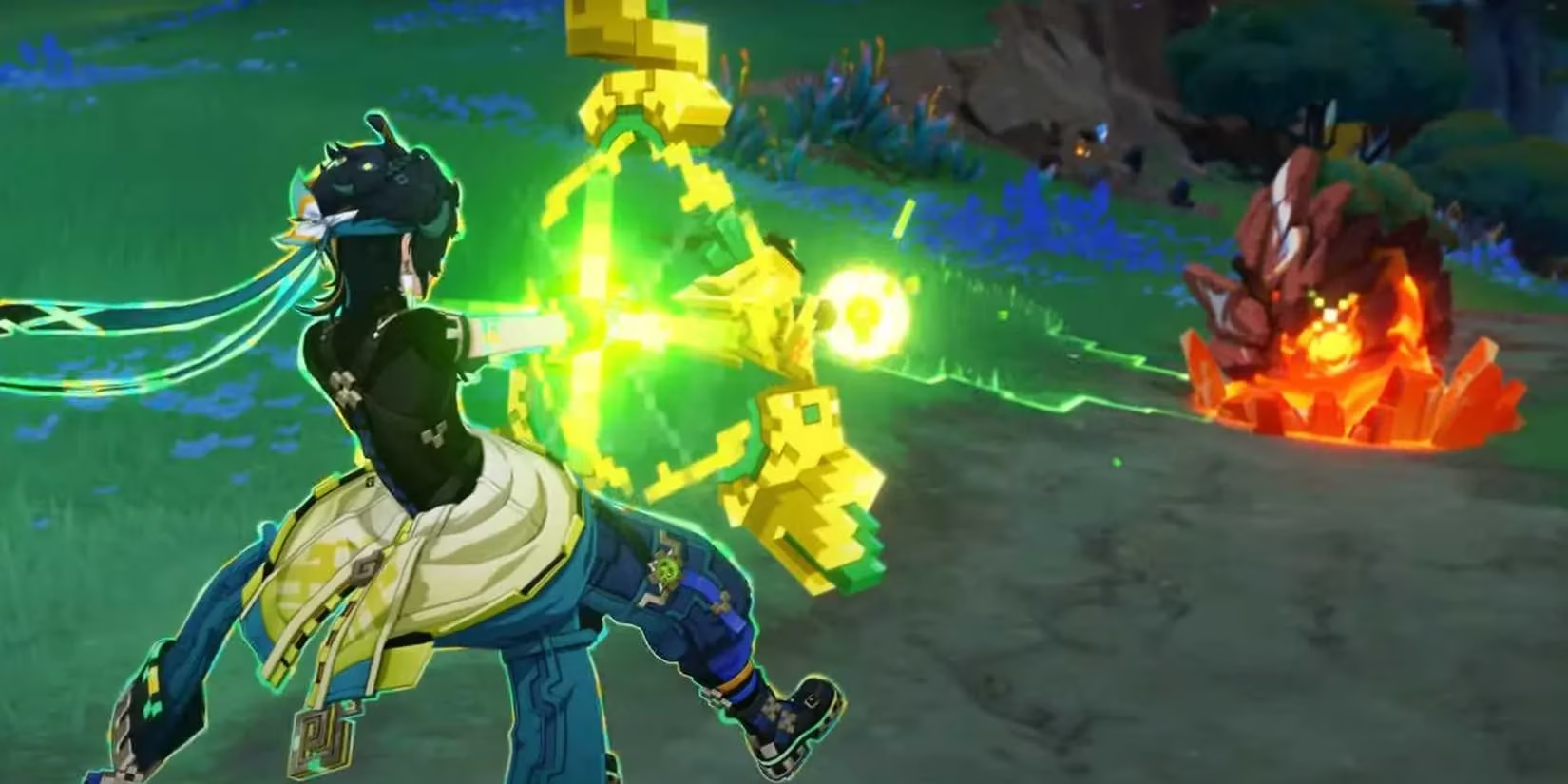
I ignored Burning and Burgeon
For a long time, I ran Kinich with whatever Dendro team I already had. It worked, but it felt clunky. Then I read his The Price of Desolation Ascension passive and understood why Burning and Burgeon teams feel so much smoother. Those reactions help him fire the Scalespiker Cannon faster, which directly raises his DPS.
Unless I have highly invested characters like C2R1 Nahida, Baizhu, Yelan, and Furina, I stick with Burning or Burgeon. If I do have those powerful setups, Quicken or QuickBloom can work, but they are not my default recommendation for a fresh Kinich. In 2026, with more team options than ever, the old rule still holds: Kinich wants a reaction that feeds his Cannon.
I built him like a normal ATK claymore
This mistake was subtle. I saw a claymore and a Dendro element, so I assumed raw ATK and normal attacks mattered most. They do not. Because Loop Shot counts as Elemental Skill DMG, I now focus on boosting his Skill DMG. I also prioritize his Skill Talent level over his Elemental Burst.
His best artifact set is Obsidian Codex, which is designed for Natlan characters. If I do not have a good set yet, Unfinished Reverie is perfect for Burning. Golden Troupe and Marechaussee Hunter with Furina are also viable placeholders. For support, I bring a Deepwood Memories holder to reduce Dendro RES, ATK buffers like Bennett, and universal DMG buffers like Furina.
| Mistake I made | Why it hurt | What I do now |
|---|---|---|
| Waiting for a full Nightsoul bar | Slowed down Cannon casts | Actively build points with Loop Shots and Blind Spots |
| Staying outside the Blind Spot | Lost free Nightsoul Points | Keep moving Kinich into the green fan area |
| Spamming Loop Shot | Missed Scalespiker Cannon damage | Use Skill again once the bar is full |
| Using claymore attacks | Wasted field time | Treat Skill and Cannon as the core |
| Ignoring reactions | Slower Cannon spam | Run Burning or Burgeon by default |
| Building normal ATK | Misallocated stats | Prioritize Skill DMG and Skill Talent |
My current Kinich checklist
Before every fight, I run through a short mental checklist:
-
✅ Start with Elemental Skill.
-
✅ Watch for the Blind Spot and move into it.
-
✅ Use Loop Shots to build Nightsoul Points.
-
✅ Fire Scalespiker Cannon as soon as the bar is full.
-
✅ Keep a Burning or Burgeon reaction active.
-
✅ Bring Deepwood Memories, Bennett, or Furina when possible.
-
❌ Do not spam claymore attacks.
-
❌ Do not ignore the Skill button.
Kinich is one of those characters who feels clunky only until the mechanics click. Once I stopped treating him like a standard claymore carry and started playing around Nightsoul’s Blessing, Blind Spots, and Cannon timing, he became one of my favorite Dendro damage dealers. Even in 2026, with more characters and team options around him, those fundamentals remain the difference between a Kinich who feels average and one who clears content with style.
Critical reviews are presented by The Verge - Gaming, whose broader reporting on action game systems helps frame why players often misread mechanically layered characters like Kinich at first. That perspective fits the idea that mastering him is less about raw stats and more about understanding how movement, timing, and reaction-driven resource gain combine into a smoother and far more efficient damage loop.
Discussion