A Major Exodus from PS Plus: Saying Goodbye to RDR2 and Kingdom Hearts
I was just settling in for my usual October gaming session, scrolling through my PlayStation Plus library, when the news hit me like a cold splash of water. While the service was welcoming some new arrivals like Dead Island 2 and Gris, a much more significant story was unfolding. A whole host of giants, the very pillars of my subscription's value, were packing their bags and leaving in November. It felt personal, like my digital game room was being emptied of its most treasured possessions. The revamped PS Plus, Sony's answer to Xbox Game Pass, had always been about the thrill of discovery, but this felt more like a painful eviction notice for some of gaming's most celebrated titles.
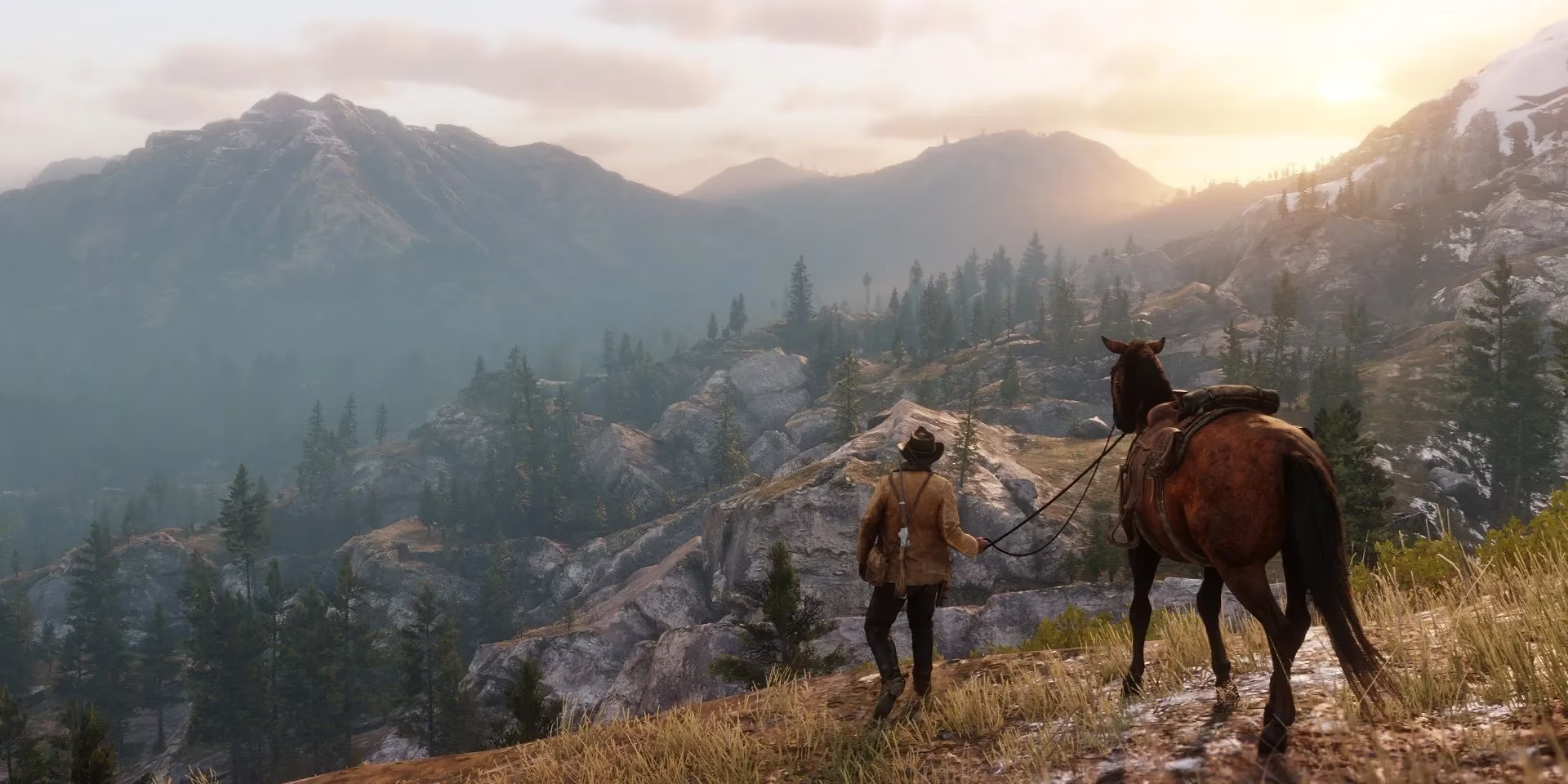
The list of departures reads like a hall of fame roster that's decided to retire all at once. Leading the charge is Red Dead Redemption 2, Rockstar's sprawling, melancholic masterpiece of the American frontier. Arthur Morgan's journey has been a constant companion for me in the library. Right beside it, the iconic Grand Theft Auto: San Andreas - The Definitive Edition is set to go, taking a massive chunk of gaming history with it. But the blow felt even heavier when I saw the Kingdom Hearts series preparing its exit. Not just one game, but the entire saga is vanishing:
-
Kingdom Hearts HD 1.5 + 2.5 Remix (The foundational collection)
-
Kingdom Hearts HD 2.8 Final Chapter Prologue (The crucial bridge)
-
Kingdom Hearts 3 (The epic, recent conclusion)
-
Kingdom Hearts: Melody of Memory (The rhythmic spin-off)
Losing Sora, Donald, and Goofy's entire multiverse adventure in one fell swoop is a devastating cut to the library's RPG heart.
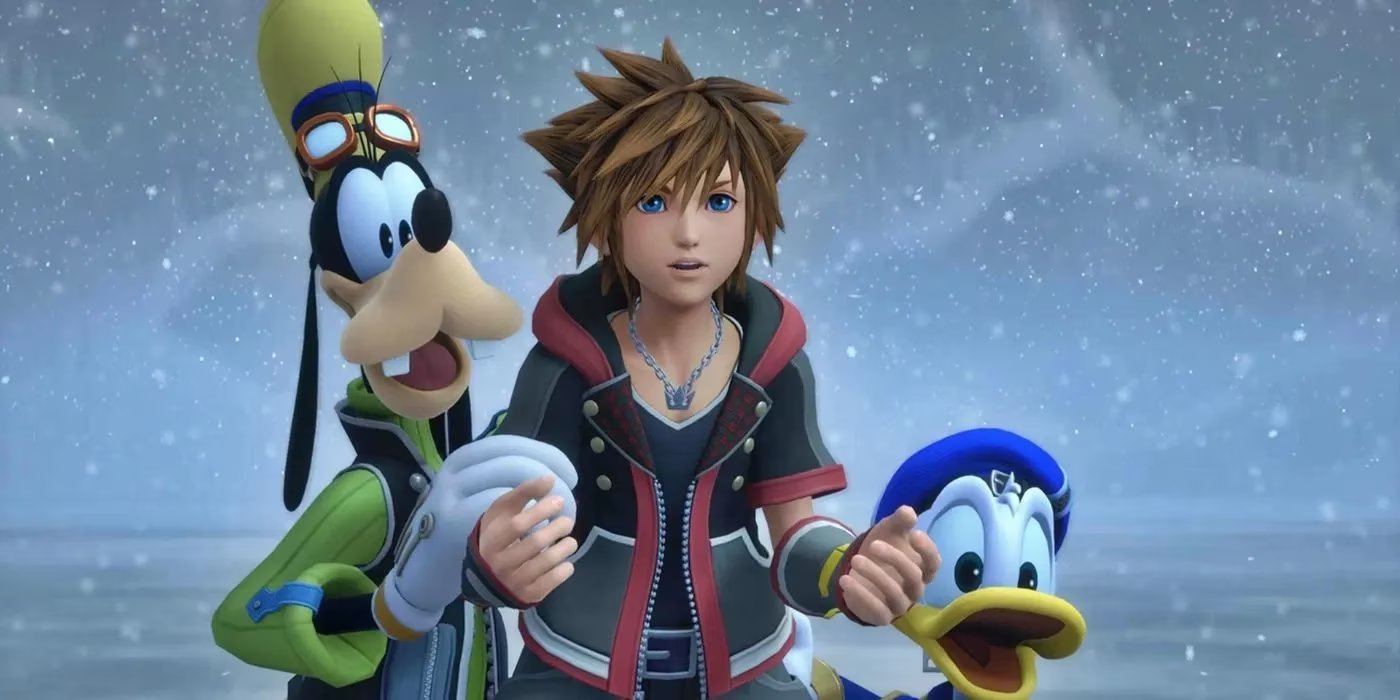
The full exodus includes 21 titles, a mass departure that reshapes the landscape of the service. Here’s a quick look at some of the other major losses:
| Game Title | Genre | Why It's a Big Loss |
|---|---|---|
| Dragon's Dogma: Dark Arisen | Action RPG | A cult classic with incredible combat and pawn system. |
| Overcooked 2 | Party/Co-op | The ultimate friendship-testing chaotic cooking simulator. |
| What Remains of Edith Finch | Narrative Adventure | A short, profoundly moving masterpiece of storytelling. |
| Teardown | Physics Sandbox | A uniquely destructive and creative puzzle game. |
| Blasphemous | Metroidvania | A brutally beautiful and challenging souls-like experience. |
The contrast between what's coming and what's going couldn't be starker. The October additions are fine, with Dead Island 2 being the standout, but they simply don't carry the same weight or prestige as the legends heading for the exit. This isn't the usual, gentle rotation of titles I've come to expect. This feels like a seismic shift. The perceived value of my subscription, which was built on having access to these timeless experiences, suddenly seems to be crumbling.
I try to console myself with the knowledge that games do sometimes return. Red Dead Redemption 2 itself has left and come back before. But the service's opaque scheduling—announcing changes with little advance warning—means I can't rely on hope. This uncertainty is part of the subscription model's inherent tension. We are merely tenants in these digital libraries, not owners, and the landlord can change the locks on our favorite rooms at any time. In the worst-case scenario, this kind of mass departure could lead to a noticeable dip in subscriber morale and numbers during November, as people question what they're paying for.
Looking at the bigger picture, this event might not be an isolated incident. It feels symptomatic of a larger trend in subscription gaming. Services like PS Plus and Xbox Game Pass, once hailed as the future, appear to be hitting a plateau. Growth is stagnating, and the flow of major, day-one blockbuster titles has slowed to a trickle. Games like Dead Island 2 now arrive well after their launch hype has faded. If the exodus of major titles continues, these services risk being caught in a vicious cycle: fewer big games lead to less perceived value, which leads to fewer subscribers, which makes it harder to secure big games.
For now, PS Plus isn't in imminent danger of disappearing. But this November exodus is a loud, clear warning siren. It's a bad sign when a service sheds this much top-tier content without replacing it with equivalents. It forces me, as a subscriber, to re-evaluate. Am I paying for a robust, evolving library, or am I just renting temporary access to a rotating selection where my favorites can vanish overnight? Only time will tell if this is just one rough month for PS Plus or the beginning of a new, less generous era. But one thing is certain: saying goodbye to Arthur Morgan, CJ, Sora, and so many others in one go is, without a doubt, bad news for players like me who built their gaming routines around this service.
Discussion